
Every year I toy with the idea of not doing this list anymore. Aside from the shocking amount of work it takes, to share my favorite reads from a given year implies that I actually read some worthwhile things. Unfortunately, that’s not always true. Every other year my reading list consists largely of duds. But this year was filled with so many great reads I had to resist sending out a list in July.
On top of the deep dive of Miroslav Volf’s work I committed to early on in the year (more on that later), I stumbled onto James K.A. Smith’s Cultural Liturgies project and developed such a deep man crush on him I ended up doing a deep dive on him too. Then I found myself reading up on spiritual formation and James Bryan Smith’s Good and Beautiful Series found its way into my world. Consequently, this is probably the least diverse, yet most Christian reading list I’ve ever had. But what I found is that this, too, is part of what Paul means when he talks about the renewing of our minds (Romans 12).
Reflecting on my reading list from this past year, it largely felt like I went back to school. While there is some fiction, some history, and some personal development here, I read a lot more theology and spiritual formation than I normally would. I largely attribute that to the combination of toying with the possibility of actually going back to school as well as our culture’s increasing desire to treat personal experience as ultimate truth. After reading some books I felt embodied that spirit, I wanted to be immersed in actual truth, solid teaching, and orthodoxy. Now, in saying that, I realize that my list is overwhelmingly populated by white men. That’s not because I believe white men hold the market on orthodoxy. It’s just how it shook out this year given my interests and reading commitments.
That being said, here we are once again. My favorite books of 2023, in no particular order:
- Desiring the Kingdom — James K.A. Smith (and really the entire Cultural Liturgies series)

Last year, Smith’s You Are What You Love made my list. As disappointed as I was with the application of his ideas, I found his general framework awe-inspiring. Stumbling upon the Cultural Liturgies project was to find that framework expanded and teased out in different spheres of our life — education, worship, politics. As someone who’s work deals with leadership development, the idea that how we educate says something about what we ultimately believe about people was revelatory. How do we develop leaders in a way that aims their desires toward the kingdom? If I understood people as lovers first, how would that change the way I craft content and curriculum? While the whole trilogy is incredible, Desiring the Kingdom is the most accessible. You’ll sound smart while still being able to understand what’s being said.
2. The Mission of God — Christopher J.H. Wright

Because I had the privilege of coming to faith through a parachurch ministry committed to reaching the campus and the bulk of my discipleship came in the context of a network of missionaries, the idea that the Judeo-Christian God is a missionary God has been foundational to my understanding of him. However, at some point, you have to go back and do some research as to where all your ideas come from. This book took what I’ve always taken for granted and gave it depth and breadth. While there are certainly other, maybe even more, essential books and authors (I think of David Bosch or Lesslie Newbigin), Wright’s tome feels like required reading for any young missionary trying to theologically explain their life and how it finds its origin in the Bible.
3. Nobody Knows My Name — James Baldwin
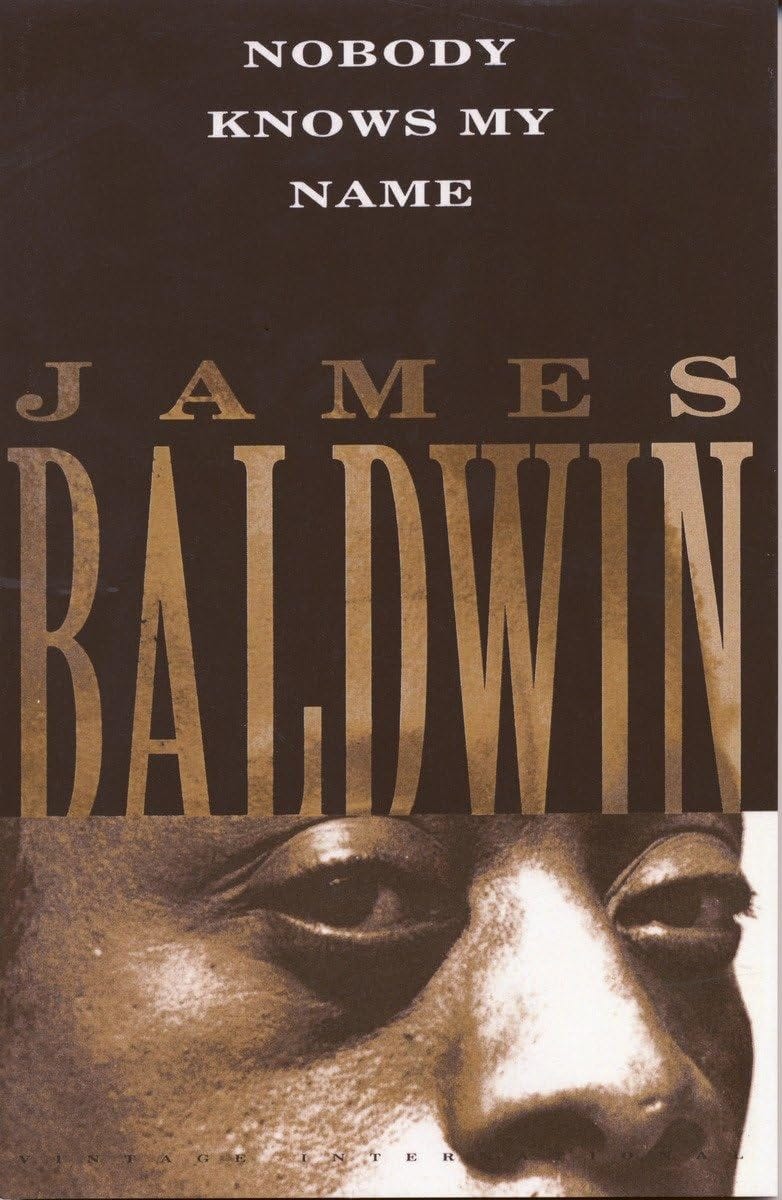
If you were to ask me who my favorite writer is, chances are I’d point to James Baldwin. Reading his essay “Notes of a Native Son” as a high school senior sent me in such a tailspin, I spent the better half of the next decade studying creative writing. Imagine my surprise then when I realized this book existed and it was written before The Fire Next Time. It was like discovering lost treasure.
This book reminded me of everything I love about Baldwin and the creative nonfiction genre. I’ve long admired his ability to articulate the human experience and speak hard truths, but this time I found myself drawn to the way he describes the world around him and, in doing so, we get a sense of his person.
Many people have tried to fill his shoes since his passing, but no one has been able to. Ultimately, I think it’s because of his ruthless commitment to reconciliation. You could never accuse Baldwin of being an optimist, but he was a prisoner of hope, and it bled into his writing. Even though he died before I was born, reading this book, I found myself missing someone I never knew, wishing he were still with us to help make sense of the times we’re living in.
4. Free of Charge — Miroslav Volf
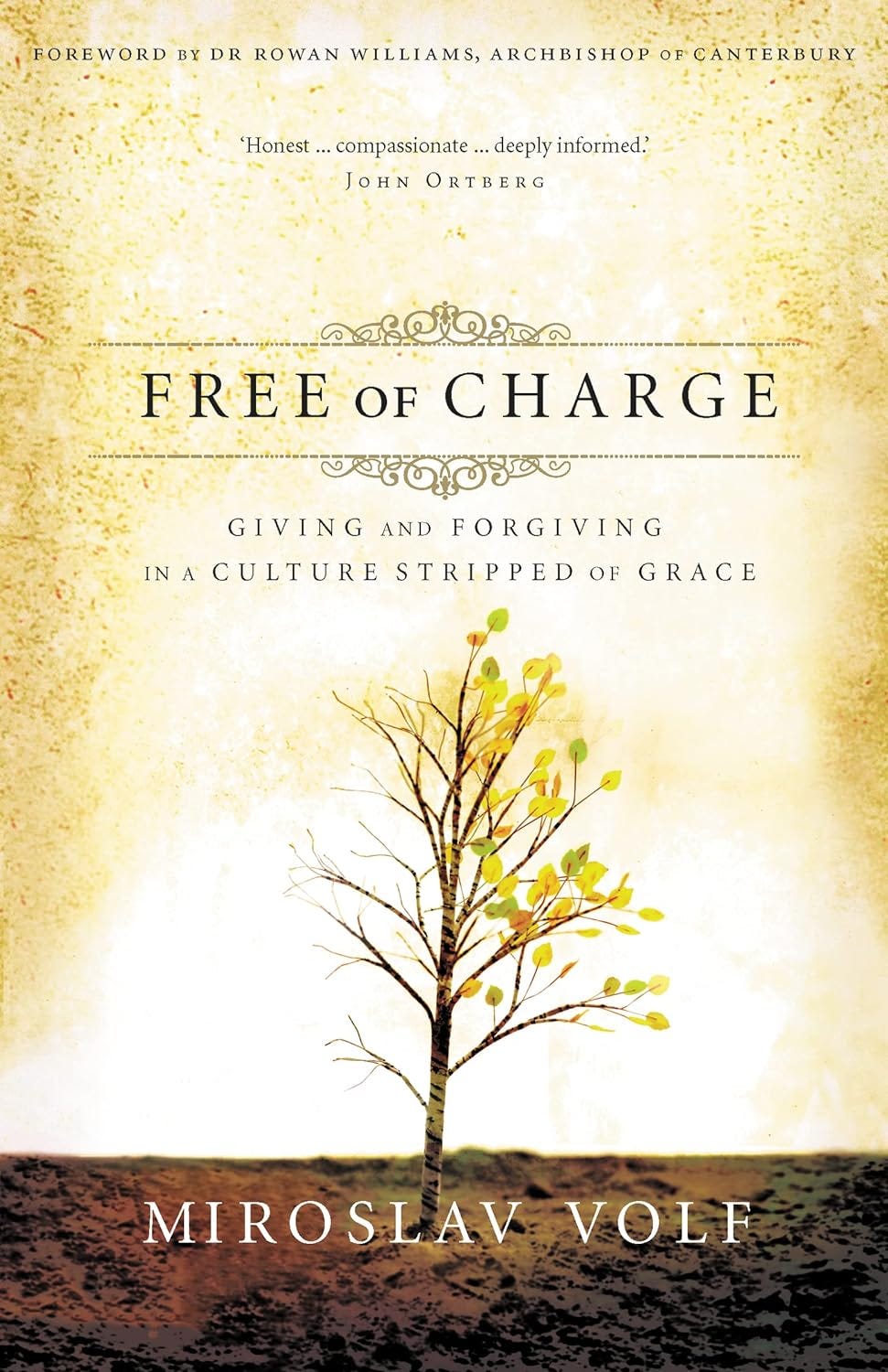
A couple years ago, a friend of mine told me about his practice of choosing a theologian for the year and trying to read all their works. It sounded so fascinating to me that I decided to try it out. Miroslav Volf was my theologian for 2023.
Even though I picked his name out of a hat, Volf felt like the theologian for our time. We live in a society quick to cancel without any path toward redemption. Not only does our culture feel justified in its enmity toward the other, but Christians have taken their cues from culture and have lost touch with the Bible’s core teaching on forgiveness. So much of Volf’s work challenges that notion even as he admits his personal struggle to embody his own theology.
While Exclusion and Embrace is his most robust work (and is every bit as deserving to be on this list), Free of Charge is what I read first and it spoke to me on multiple levels. Similar to Wright, it takes some ideas we’re already familiar with but packages them in such a way that it’s fresh and insightful while still being accessible enough to the common person.
5. Renovation of the Heart — Dallas Willard
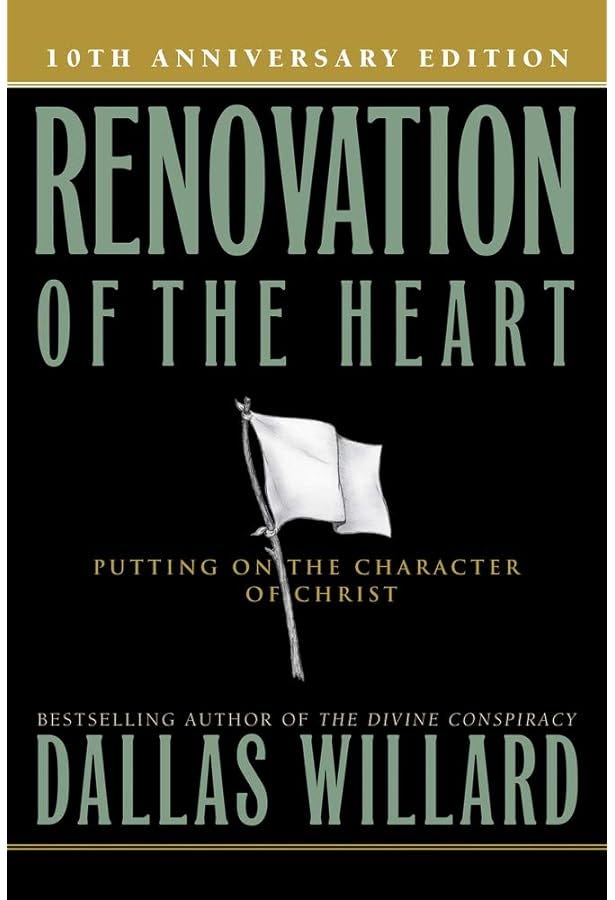
Honestly, I’ve always found Dallas Willard a bit of a dry read. Brilliant, but dry…like powdered milk dry. But maybe because of the subject and my personal interest in it, I found this book more engaging than some of his other work I’ve read. As someone who loves and is fascinated by spiritual formation, this book is the why beneath all the what’s and how’s. It’s essential reading for anyone trying to understand and create curriculums for Christlikeness. Similar to The Mission of God, there are ideas I’ve ingested secondhand that in returning to the source, I found myself walking away with a richer understanding of what I’m trying to design and accomplish.
Honorable Mentions (because it feels criminal to leave these books off)
6. Prayer in the Night — Tish Harrison Warren

As much as people loved Warren’s Liturgy of the Ordinary, I found this book to be even more compelling. Using the compline prayer as an outline, Warren shares masterfully and vulnerably about clinging to God in the midst of our despondency. Between this book and Jen Pollack Michel’s Keeping Place, I found myself thanking God for women writers who inspire wonder and curiosity in us through their beautiful work. If you’re in a tough season and needing a spiritual companion, this book will be your friend.
7. The Boys in the Boat — Daniel James Brown

I believe Donald Miller said in Blue Like Jazz that sometimes all it takes to appreciate something is to listen to someone who’s passionate about that thing talk about it. Boys in the Boat is that. Not only is it beautifully told history, but you get a sense of the marvel of rowing and all its parallels to life and leadership. It’s harrowing and uplifting and wonderfully done. If you’re a fan of Laura Hillenbrand’s Unbroken, you’re going to love this book.
8. Killer of the Flower Moon — David Grann
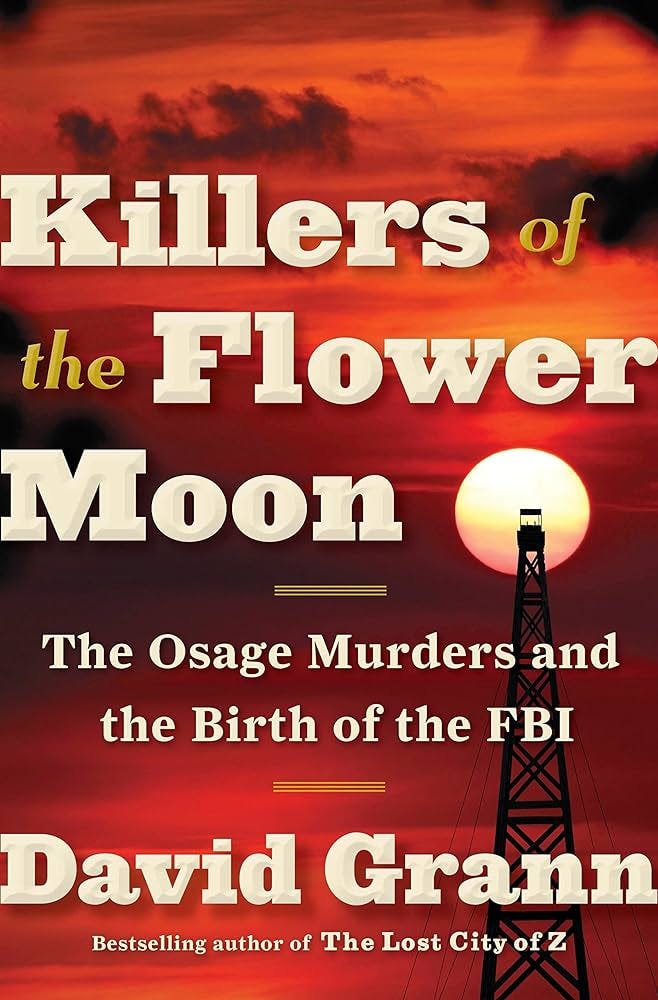
Sometimes what makes a book great is the story that’s been uncovered. Killers of the Flower Moon takes a piece of relatively unknown history and brings it to the fore. In doing so, it highlights one of the wildest conspiracies against Native Americans I’ve ever heard of. It’s not just that Grann retells the story of this injustice, but, in researching, he also uncovers an even greater one. This book tells a story of greed, corruption, racism, and manipulation. Should you read it, you’ll be both gripped and horrified at the human capacity for evil.
9. The Three Mothers — Anna Malaika Tubbs
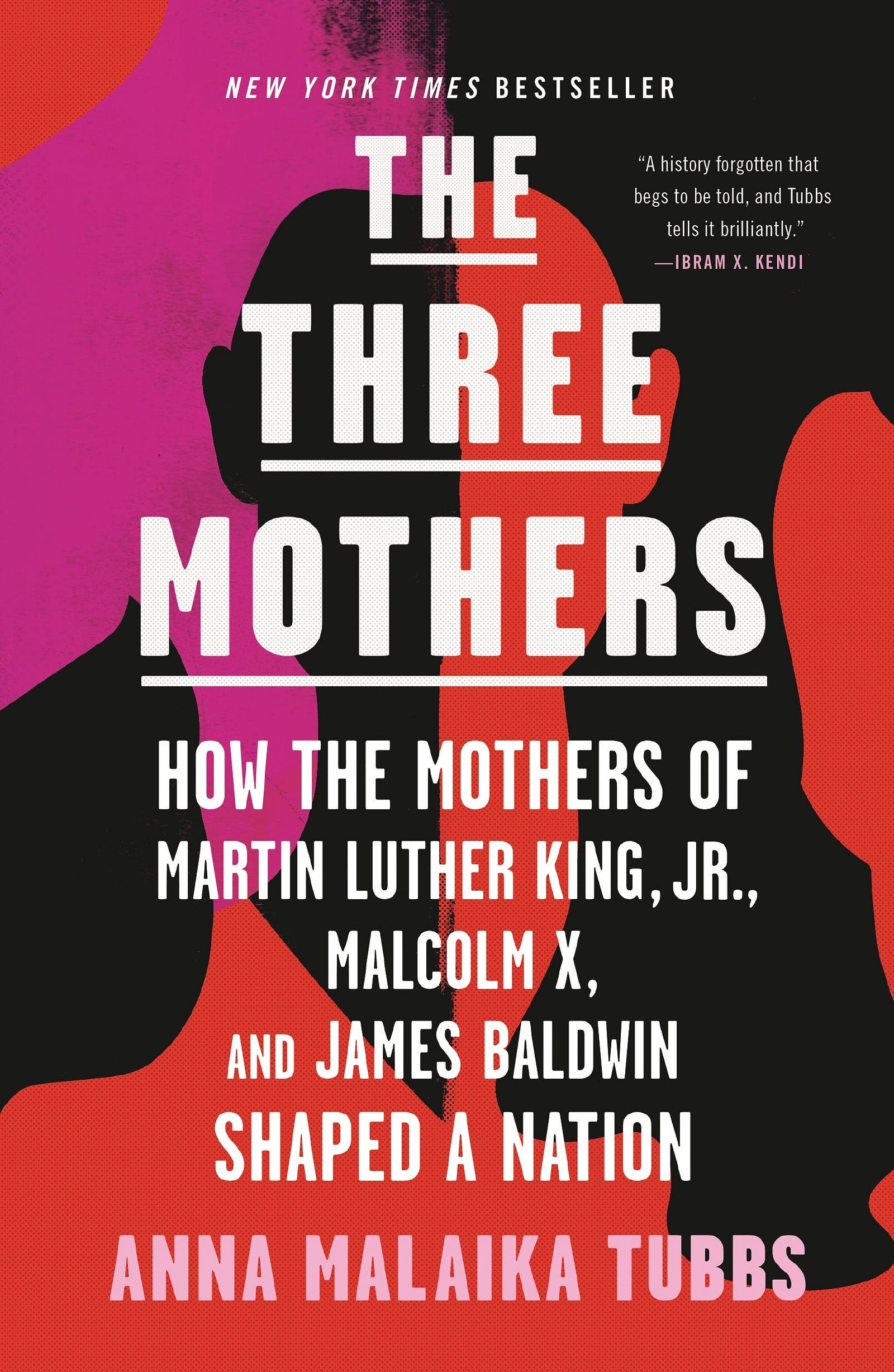
Who are we without our parents and more specifically the mothers who raised us? In chronicling the stories of Louise Little, Alberta King, and Berdis Baldwin, we get a sense of just how much Malcolm X, Martin Luther King Jr., and James Baldwin got their cues from the women who birthed them. In that way, as a nation, we are tremendously indebted to these women. But I suppose that’s true of all of us and our mothers.
10. Where Are Your Boys Tonight? — Chris Payne
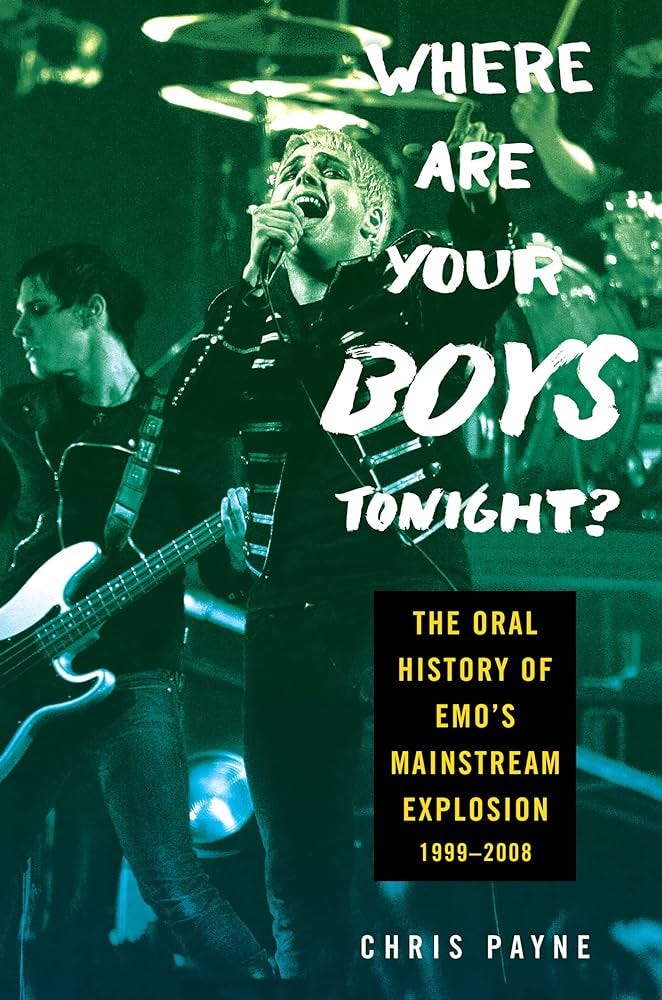
Full Disclosure: this is not the best book I read this year. I would argue there are better books on my more expanded list and yet this makes the honorable mentions solely because of what this era means to me personally.
As a teenager in the early 2000s, being called “emo” was never cool. If anything, it was an insult. Yet here we are twenty years later. Between things like the When We Were Young Festival, all the TikToks of “elder emos” saying it was never a phase, Amy Madden’s Negatives, and this book, it seems like third wave emo is having a moment. Whether because of some sort of vindication or we’re all just old enough not to care anymore, we’re happy to embrace the title. So much of these pages were my history and yet to hear it told back to me also made me realize how much of it is NOT my history. It truly was a unique era I don’t think we’ll ever see again.
The more expanded list:
January
1. Campus Lights — Lukas Cawley
2. Free of Charge* — Miroslav Volf
3. Church Project — Jason Shepperd
4. The Boys in the Boat* — Daniel James Brown
5. San Fransicko* — Michael Shellenberger
6. A Church of House Churches — Jason Shepperd
7. Atlas of the Heart* — Brenè Brown
February
8. Our Missing Hearts* — Celeste Ng
9. God is a Black Woman — Christena Cleveland
10. Nobody Knows My Name — James Baldwin
March
11. Stony the Road* — Henry Louis Gates, Jr.
12. Black Boy* — Richard Wright
13. The Three Mothers* — Anna Malaika Tubbs
14. Red Lip Theology* — Candice Marie Benbow
April
15. The Paris Apartment* — Lucy Foley
16. Exclusion & Embrace — Miroslav Volf
17. Desiring the Kingdom — James K.A. Smith
18. Impact Networks* — David Ehrlichman
19. A Man of Iron* — Troy Senik
May
20. Worst. President. Ever.* — Robert Strauss
21. Understanding Spiritual Warfare* — Sam Storms
22. Prayer in the Night* — Tish Harrison Warren
23. Keeping Place* — Jen Pollack Michel
24. For the Life of the World* — Matthew Croasmun and Miroslav Volf,
June
25. Imagining the Kingdom* — James K.A. Smith
26. On the Road with St. Augustine* — James K.A. Smith
27. Surrender* — Bono
28. The Light We Carry* — Michelle Obama
29. I’m Glad My Mom Died* — Jennette McCurdy
July
30. The Mission of God* — Christopher J.H. Wright
31. Awaiting the King* — James K.A. Smith
August
32. Loonshots* — Safi Bahcall
33. Reparations* — Duke L. Kwon and Gregory Thompson
34. Killers of the Flower Moon* — David Grann
35. Culture Care* — Makoto Fujimura
September
36. Renovation of the Heart — Dallas Willard
37. A Non-Anxious Presence — Mark Sayers
38. The Talent Code* — Daniel Coyle
39. Do Hard Things* — Steve Magness
40. The Good and Beautiful God* — James Bryan Smith
41. The Good and Beautiful Life* — James Bryan Smith
October
42. The Good and Beautiful Community* — James Bryan Smith
43. Life Worth Living* — Matthew Croasmun, Miroslav Volf, Ryan McAnnally-Linz
44. Unreasonable Hospitality* — Will Guidara
45. Vladimir* — Julia May Jones
46. How to Inhabit Time* — James K.A. Smith
47. The Problem of Pain* — C.S. Lewis
November
48. Never Finished* — David Goggins
49. Hidden Potential* — Adam Grant
50. Where Are Your Boys Tonight? — Chris Payne
51. Effortless* — Craig McKeown
52. When Breath Becomes Air* — Paul Kalanithi
53. Until Unity* — Francis Chan
December
54. Sheet Music — Kevin Leman
55. The Good Beautiful You* — James Bryan Smith
56. The End of Memory* — Miroslav Volf
57. Lessons in Chemistry* — Bonnie Garmus
58. Kingdom Man — Tony Evans
 Tomy Wilkerson